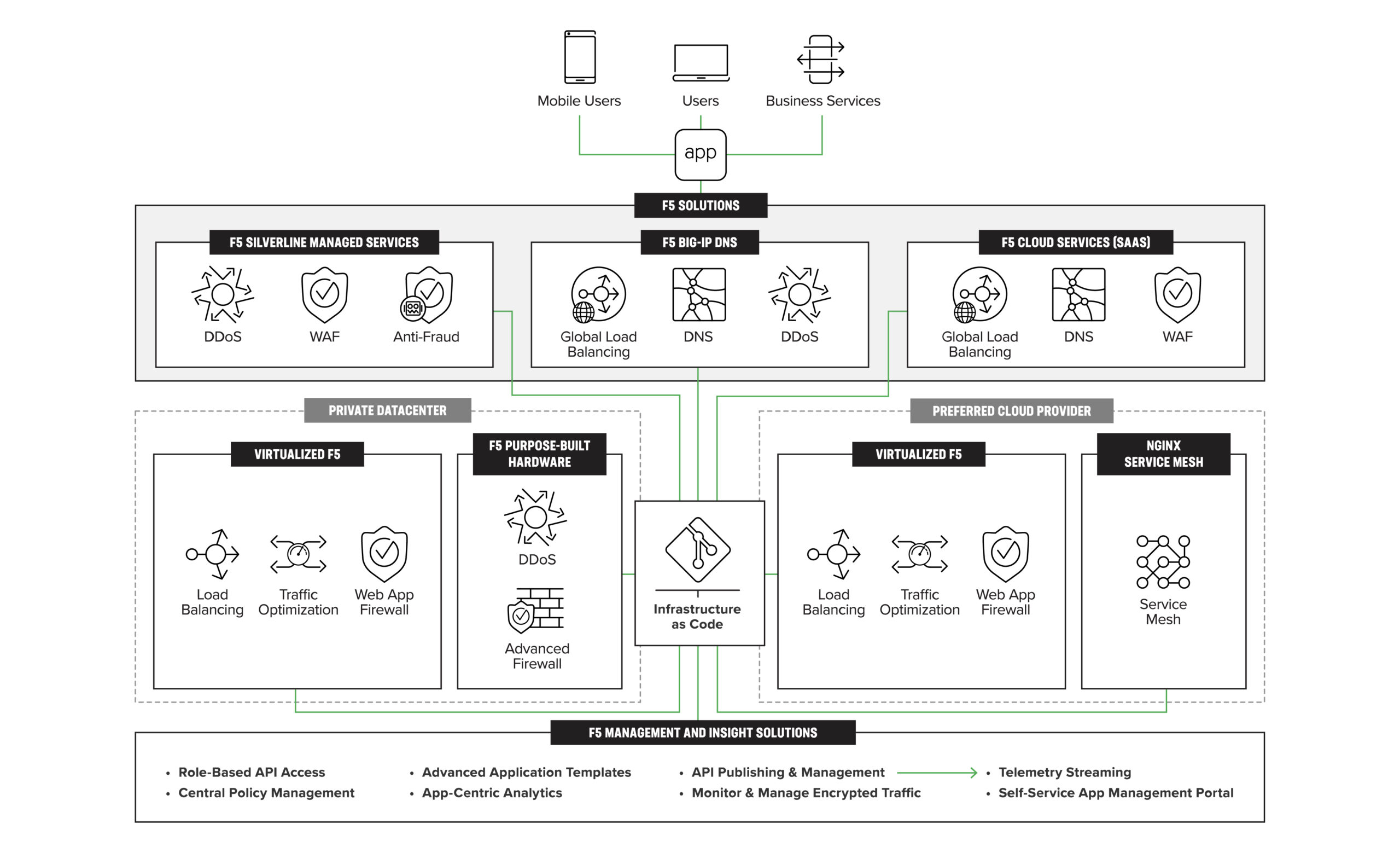

In today’s digital landscape, ensuring that applications can withstand disruptions is paramount. Application resilience refers to the ability of software applications to recover quickly from failures, maintain continuous operations, and provide consistent user experiences.
Application resilience involves designing and implementing systems that can handle unexpected issues without significant downtime. This includes strategies like redundancy, failover mechanisms, and real-time monitoring to detect and address problems promptly.
Infrastructure resilience complements application resilience by ensuring that the underlying hardware and network components are robust and capable of supporting applications during adverse conditions. This synergy is crucial for maintaining high availability systems.
High availability systems are designed to operate continuously without failure for extended periods. Implementing such systems involves eliminating single points of failure and ensuring that backup components can take over seamlessly in case of issues.
Disaster recovery solutions are essential for restoring systems and data after catastrophic events. These solutions include data backups, replication, and predefined recovery procedures to minimize downtime and data loss.
Regularly monitoring IT system uptime helps in identifying potential issues before they escalate. Tools that track system performance and availability can provide insights into areas that require improvement to enhance overall resilience.

Implementing strategies to ensure applications can handle disruptions effectively.
Enhancing the physical and virtual components that support applications.

Designing applications to recover swiftly from unexpected disruptions, ensuring minimal impact on users and continuous service delivery.
Building a robust foundation that supports applications through reliable hardware, networks, and facilities capable of withstanding challenges.
Implementing systems designed for continuous operation, minimizing downtime through redundancy and failover capabilities.
Establishing comprehensive plans and tools to restore systems and data promptly after unforeseen events.
Continuously tracking system performance to detect issues early and maintain optimal operational level.
Resilient systems are better equipped to handle security threats, protecting data and operations.
Ensures that services remain available to users, even during unexpected events.
Optimized systems lead to better performance and user satisfaction.
Ability to restore services rapidly after disruptions, minimizing downtime.
Netmate Information Technology delivers trusted expertise and tailored support to help your business stay secure, connected, and future-ready.
Application resilience refers to the ability of software applications to recover quickly from failures and continue operating effectively.Informa TechTarget+8Medium+8IBM+8
It ensures that the underlying systems supporting applications can withstand and recover from disruptions, maintaining service continuity.
They are designed to operate continuously without failure, using redundancy and failover mechanisms to minimize downtime.
These are strategies and tools implemented to restore systems and data after catastrophic events, ensuring business continuity.
By using monitoring tools that track system performance and availability, allowing for proactive maintenance and issue resolution.