

Load Balancer for Web Applications: Optimizing Performance & Reliability

Load balancer for web applications enhances traffic distribution, reliability, and performance. Learn the benefits, usage, and top load balancing techniques.
Load balancer for web applications
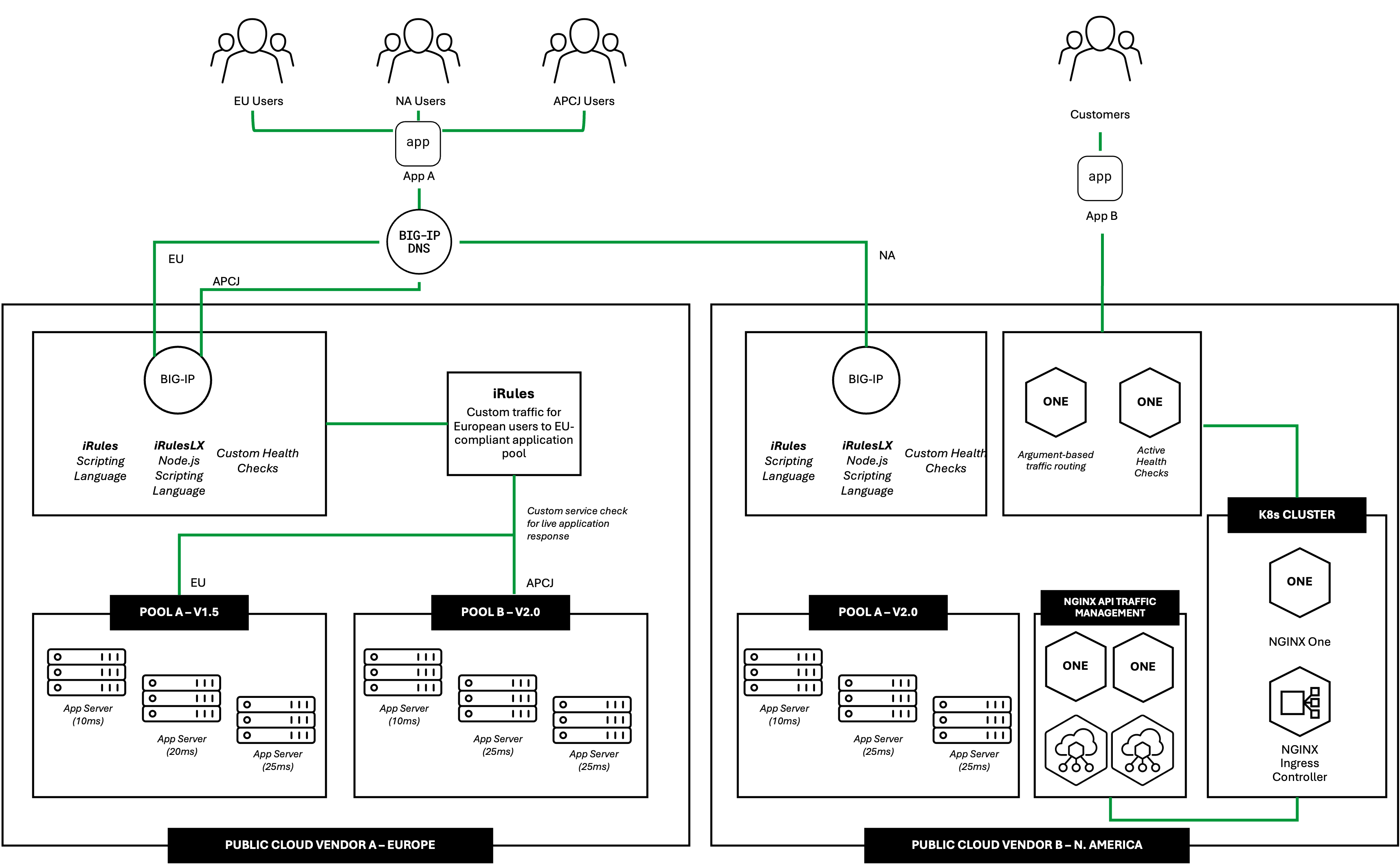
application-load-balancer-setup-diagram

Understanding Application Load Balancing

Load balancers manage traffic efficiently between backend servers.

  • Traffic Distribution: Evenly distributes incoming requests.
  • Health Monitoring: Detects server availability.
  • Session Persistence: Maintains user sessions.

Benefits of Load Balancing for Businesses

A load balancer ensures smooth and scalable web performance.

  • Reduced Latency: Improves response times.
  • Fault Isolation: Prevents failure spread.
  • Global Scalability: Manages global server locations.
cloud-load-balancer-benefits-illustration

Why Choose Netmate’s Load Balancing Solutions

Choose Smart. Choose Netmate

Enterprise-Grade Reliability

Ensure 24/7 uptime for mission-critical applications.

Expert Support Team

Local UAE and GCC-based experts for fast assistance.

Scalable Architecture

Grow effortlessly with scalable load balancer systems.

Customized Deployment

Tailored configurations to meet your business goals.

Why Load Balancer for Web Applications is Crucial

Effective load balancing distributes network traffic across multiple servers to improve performance and minimize downtime. In UAE and GCC countries, businesses increasingly rely on this technology to maintain application availability and scalability.

Benefits of Load Balancing:

  • Increased uptime and fault tolerance
  • Enhanced speed and user experience
  • Cost-effective scalability
  • Security improvement with SSL offloading

Netmate Information Technology, a system integrator in UAE and GCC, offers reliable load balancer solutions tailored to enterprise needs.

Types of Load Balancing Techniques

Best Load Balancing Techniques

Round Robin

Round Robin distributes requests in order, ideal for equally capable servers and low-complexity environments.

Least Connections

Sends requests to the server with the fewest active connections. Great for dynamic or variable request loads.

IP Hashing

Routes traffic based on client IP hash. Ensures session persistence and consistent routing.

Weighted Round Robin

Assigns weight to servers based on capacity. Useful for unequal server capabilities.

How to Use a Load Balancer: Step-by-Step Guide

  1. Assess Application Requirements – Understand traffic, architecture, and server types.
  2. Select Load Balancing Type – Choose between Layer 4 (Transport) and Layer 7 (Application).
  3. Implement the Load Balancer – Use software or hardware solutions.
  4. Monitor and Optimize – Continuously evaluate metrics to adjust settings.

For comprehensive implementation, Netmate provides tailored support and integration services.

Ensure Secure, Reliable, and High-Performance Application Delivery

Load-balancer-for-web-applications

Application Load Balancing Explained

What is Application Load Balancing?

It operates at the application layer (Layer 7) to route traffic based on content such as URLs, cookies, or HTTP headers.

Ideal for complex web applications needing high availability, SSL termination, or routing logic.

Key Features

Content-based routing, session persistence, HTTPS support, and intelligent traffic control.

Need Help? Talk to Our Experts

Netmate Information Technology delivers trusted expertise and tailored support to help your business stay secure, connected, and future-ready.

Frequently Asked Questions (FAQs)

What is a load balancer for web applications?

A load balancer for web applications distributes incoming traffic across multiple servers to ensure uptime and performance.

Benefits include better performance, reduced downtime, enhanced security, and efficient server usage.

Choose based on server capacity, application needs, and traffic patterns. Round Robin and Least Connections are popular choices.

Yes. Netmate provides end-to-end implementation and support in UAE and GCC countries.

No. Small and medium businesses can also benefit from efficient and affordable load balancing solutions.