

Stronger Cyber Defense with Advanced CISO-Level Protection
Sophos Gold Partner
Monitoring & Support
Deployment Options
Nationwide Coverage
Disaggregated infrastructure separates compute, storage, and networking from fixed, committed hardware and turns them into independent, software-defined resource pools. Instead of provisioning entire structures for a single workload, corporations allocate exactly the assets every utility needs, when it wishes them, and scale each layer on its own timeline.
Traditional fact centers bind compute, storage, and networking together in tightly coupled hardware, so any change to one layer often means overhauling the rest. Disaggregation eliminates that dependency. Resource pools are abstracted from the underlying hardware and managed centrally through software, permitting IT groups to provision, monitor, and manage infrastructure throughout the entire environment from a single interface. Dynamic provisioning replaces manual, hardware-bound procedures, and infrastructure automation extends that management further, using AI-driven regulations to allocate resources primarily based on real-time workload demand.
This shift reflects Dell Technologies‘ broader vision for the independent data center, where infrastructure manages itself intelligently in place of requiring steady manual intervention. Netmate IT brings this vision to life for businesses throughout the UAE, using Dell’s disaggregated infrastructure portfolio to design and set up environments that are efficient, scalable, and ready for the workloads of tomorrow, from virtualization and hybrid cloud to AI and high-performance computing.
Traditional, hardware-bound data centers create operational and monetary friction that becomes tougher to disregard as enterprise demands develop.
Disaggregated infrastructure addresses the basic reasons for the challenges above, no longer simply their symptoms, giving agencies a foundation built for the way contemporary workloads in reality behave.
Infrastructure is managed through centralized software as opposed to character hardware systems. This gives IT teams a single point of control for provisioning, tracking, and adjusting compute, storage, and networking resources.
Compute, storage, and networking scale separately based on the actual demand. Organizations expand only the layer that needs it, avoiding the price and disruption of scaling entire infrastructure stacks straight away.
Resources are allotted on demand in line with workload requirements rather than being fixed earlier. This ensures applications get the compute and storage they need without idle capacity sitting unused elsewhere.
Provisioning, coverage enforcement, and lifecycle control run via automated workflows. This reduces manual administrative tasks and keeps infrastructure operations steady as environments grow more complex.
A single interface offers visibility and control across the whole infrastructure environment. Teams monitor performance, manipulate potential, and enforce policies without switching among disconnected structures.
Resource pools are built to help AI, analytics, and GPU-intensive workloads. This gives groups the ability to deal with unpredictable, resource-intensive AI demands without overprovisioning hardware.
Disaggregated infrastructure, implemented by Netmate IT with Dell Technologies, gives organizations a flexible, software-defined foundation that adapts to workload demands instead of constraining them. Key benefits include:
Netmate IT follows an established approach to help agencies flow from conventional, hardware-bound infrastructure to a software-defined, disaggregated environment constructed on Dell Technologies.
Disaggregated infrastructure supports multiple deployment models, giving companies the power to choose the approach that suits their compliance requirements, budget, and workload needs.
Netmate IT helps businesses to evaluate their compliance requirements, workload characteristics, and growth plans to select the deployment model, or mixture of models, best suited for their infrastructure roadmap.
Netmate IT deploys and helps a huge variety of Dell technologies and 1/3-celebration structures as part of disaggregated infrastructure initiatives, giving businesses the ability to construct a software-defined environment around the equipment they already rely on.
Choosing the right aggregate of Dell products depends on the workload type, scale, and business priorities. Here’s how these solutions normally fit right into a disaggregated infrastructure environment.
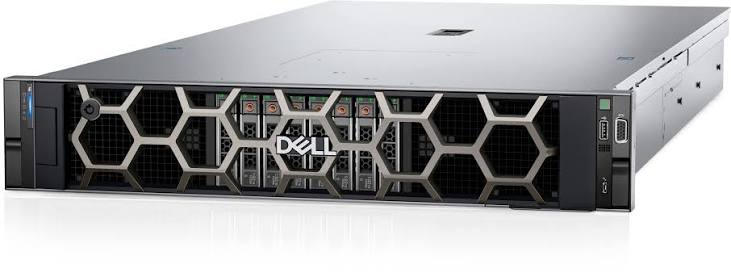
An excessive-overall performance compute platform that underpins the processing basis for disaggregated environments, supporting the whole thing from general-purpose workloads to GPU-intensive AI workloads.
Sophos environments are usually used by businesses that already have them and continue to do so to meet their network security needs without compromising on their infrastructure budgets.

Software-defined infrastructure designed for disaggregation, pooling compute and storage resources that scale independently based on demand.
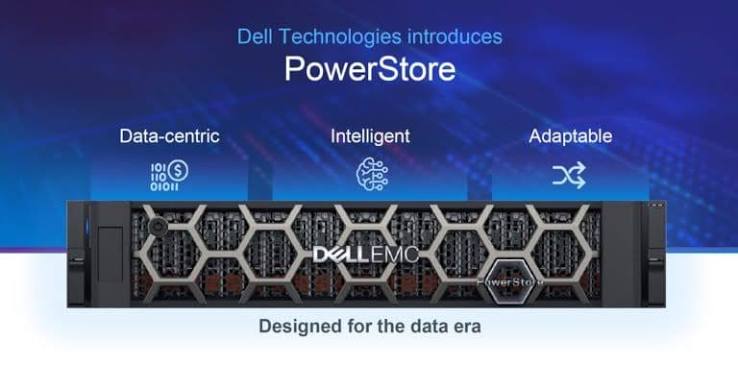
Intelligent, enterprise-grade storage with integrated automation, perfect for agencies that want high-performance storage without bringing control overhead.

Scalable file storage designed for corporate workloads concerning big volumes of unstructured data.
Integrated backup and cyber resilience that protects expertise across a disaggregated environment as it scales.
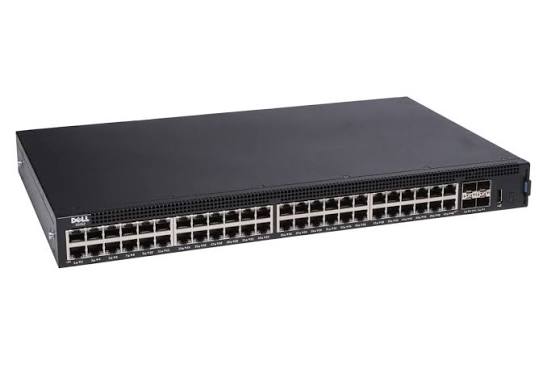
High-speed networking infrastructure that continues to move successfully among disaggregated compute and storage pools.

Infrastructure-as-a-Service that offers organizations the ability to consume disaggregated infrastructure as a service on a subscription basis instead of through premature hardware funding.
A UAE-based logistics company approached Netmate IT through a data center modernization initiative; its legacy infrastructure could not scale rapidly enough to support growing order volumes and real-time tracking demands. Netmate IT deployed a software-defined disaggregated architecture constructed on Dell PowerFlex and PowerEdge, giving the business enterprise independently scalable compute and storage pools that adjusted to demand in real time. This stepped forward support utilization drastically and let the organization make bigger infrastructure incrementally as order volumes grew, without disruptive hardware refreshes.
This pattern extends throughout industries adopting disaggregated infrastructure in the UAE and wider GCC region, from financial institutions consolidating fragmented compute environments to healthcare providers scaling storage for developing imaging data, producers deploying AI-ready infrastructure for predictive protection, and organizations modernizing legacy data centers for hybrid cloud. Netmate IT and Dell Technologies help those corporations close that gap, handing over infrastructure that scales with the commercial enterprise while decreasing the load on internal IT groups.
Disaggregated infrastructure separates compute, storage, and networking from fixed, committed hardware and manages them as unbiased, software-defined support pools that may be allocated on demand.
Traditional infrastructure ties compute, storage, and networking collectively in committed hardware, restricting flexibility. Disaggregated infrastructure abstracts those assets from hardware, permitting them to be pooled, allocated, and scaled independently through software.
Software-driven infrastructure improves resource usage, reduces operational costs, speeds up deployment, and offers IT groups centralized control over compute, storage, and networking from a single interface.
Dell PowerFlex permits software-defined resource pooling, PowerEdge presents the compute basis, PowerStore and PowerScale supply high-performance storage, and PowerProtect secures data throughout the environment.
Yes. Disaggregated infrastructure's flexible, on-demand resources make it well-suited to the variable and intensive compute and storage demands of AI training and inference.
Yes. Its software-defined structure extends naturally across on-premises and cloud environments, allowing organizations to run workloads anywhere it makes the most business sense.
By pooling compute, storage, and networking in place of dedicating fixed hardware to every workload, disaggregated infrastructure eliminates idle potential and allocates resources based on actual demand.
Fill in your details and we'll get back to you shortly.
Fill in your details and we'll get back to you shortly.